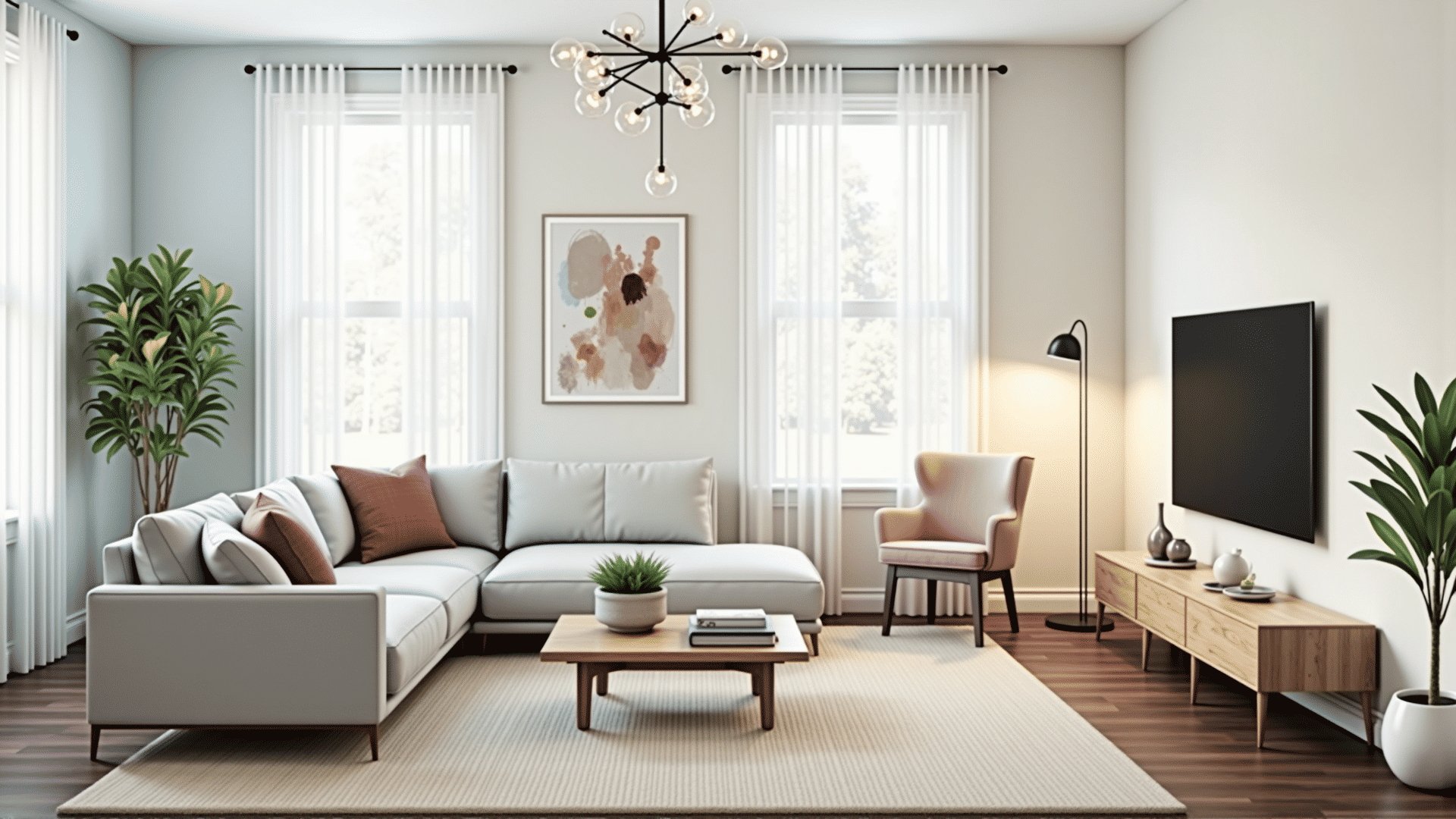
Arranging furniture thoughtfully can transform your area into a serene retreat and an inviting space for gatherings. A harmonious living environment not only enhances comfort but also fosters a sense of balance and flow. Here are some essential tips for creating such spaces.
1. Define the Purpose:
Before rearranging, consider the main functions of the area. Will it primarily be a place for family relaxation or entertaining guests? Understanding the purpose helps in determining the layout and the type of furniture required.
2. Focus on Focal Points:
Identify the room's focal point, such as a fireplace, a large window, or a piece of artwork, and arrange furniture to complement it. This creates a natural gathering spot and a visual anchor. Ensure seating faces this point to welcome interaction and contemplation.
3. Create Conversation Areas:
Arrange seating to facilitate conversation. Chairs and sofas should be close enough to allow for easy interaction but not too close to impede personal space. Aim for a U-shape or an L-shape setup, which encourages ease of communication.
4. Balance Proportions:
Ensure your furniture pieces are in proportion to the room's size. Larger rooms can accommodate bulky furniture, while smaller spaces benefit from sleeker designs. Avoid overcrowding by leaving breathing space around larger items to maintain a sense of openness.
5. Embrace Flow:
Consider the natural flow of movement within the room. Create clear pathways by positioning furniture to allow easy movement between spaces. Avoid obstructing doorways or blocking walking routes, enabling a seamless transition from one area to another.
6. Layer Lighting:
A well-lit room enhances mood and functionality. Use a combination of ambient, task, and accent lighting to create a layered effect. Floor lamps, table lamps, and strategically placed lights can highlight specific areas and add warmth.
7. Integrate Textures and Colors:
Incorporate textures and colors that reflect your personality and complement the existing décor. Use rugs, cushions, and throws to add depth and character. Cohesive color schemes unify the space, while varied textures prevent it from feeling flat or monotonous.
8. Personalize with Accessories:
Add personal touches with carefully selected accessories like vases, photographs, or souvenirs. These items add personality without overwhelming the space. Group accessories in odd numbers and vary heights to create visual interest.
9. Experiment and Adapt:
Don't be afraid to experiment with different arrangements until you find what feels right. Be open to seasonal changes, which may require slight adjustments to maintain harmony.
By implementing these tips, you can create a balanced, inviting living area that is perfect for both relaxing and entertaining. Whether it's a quiet evening alone or a lively family gathering, your thoughtfully arranged space will support comfort and foster meaningful interactions.